

 Send Inquiry
Kidney Beans
MOQ : 50 Kilograms
Kidney Beans Specification
- Pulse Style
- Dried
- Cultivation Type
- Organic
- Physical Form
- Whole
- Variety
- Common Beans
- Color
- Brown
Kidney Beans Trade Information
- Minimum Order Quantity
- 50 Kilograms
- Payment Terms
- Cash Advance (CA)
- Supply Ability
- 1000 Kilograms Per Week
- Delivery Time
- 7 Days
- Main Export Market(s)
- Asia, Australia, Central America, North America, South America, Eastern Europe, Western Europe, Middle East, Africa
- Main Domestic Market
- All India
Kidney Beans About
Kidney Beans are a variety of common beans, which is a popular ingredient in various cuisines, including Mexican, Caribbean, and Indian dishes. It provides a good amount of vitamins and minerals, including folate, iron, magnesium, and potassium. They are high in protein and dietary fiber, which can contribute to a feeling of fullness and aid in digestion. These beans are known for their rich, hearty flavor and firm texture, making them a staple in many vegetarian and non-vegetarian recipes. Furthermore, you can avail the offer of the Kidney Beans in different packaging options and at pocket-friendly prices.
SPECIFICATION
| Product Name | Origin | Family | Binomial name |
|---|---|---|---|
| Kidney Beans | Peru | Fabaceae | Phaseolus Vulgaris |
INGRIDIENTS
| Nutrients | Minerals | Vitamin | Protein | Fats |
|---|---|---|---|---|
| Carbohydrates 22.8 | Folate Iron Copper Manganese Molybdenum | Vitamin K1 | 8.7 g | Fat 0.50g |
Organically Grown for Purity
These kidney beans are cultivated using organic farming methods, avoiding synthetic chemicals and pesticides. This results in a natural product that is rich in flavor and aligns with environmentally conscious food sourcing. Sourced from select farms in India, the beans maintain their nutritional profile and earthy taste.
Versatile in Global Kitchens
Brown kidney beans are celebrated for their adaptable nature in a variety of international cuisines, particularly in Indian, Latin American, and Middle Eastern recipes. Their firm texture and robust flavor make them a staple in hearty stews, curries, salads, and rice dishes, catering to both vegetarian and non-vegetarian preferences.
FAQ's of Kidney Beans:
Q: How are organic brown kidney beans cultivated and processed?
A: Our brown kidney beans are grown using organic farming practices that avoid the use of synthetic fertilizers and chemical pesticides. After harvesting, the beans are carefully dried and cleaned to retain their whole form and ensure optimal quality for export.Q: What is the best way to cook dried, whole kidney beans?
A: Dried, whole kidney beans require soaking in water for 6-8 hours or overnight. After soaking, drain the water and boil the beans for one to two hours until they are soft. Always discard the soaking water and cook thoroughly to ensure safety and enhanced digestion.Q: When are brown kidney beans typically harvested in India?
A: In India, kidney beans are usually planted during Kharif season and harvested between late autumn and early winter, ensuring optimal maturity and freshness before packaging and export.Q: Where do you source your organic brown kidney beans?
A: We source our brown kidney beans from select organic farms across major growing regions in India. These locations are chosen for their fertile soil and optimal climate, resulting in premium-quality beans.Q: What are the main benefits of consuming organic brown kidney beans?
A: Brown kidney beans are a rich source of plant-based protein, dietary fiber, vitamins, and minerals. Consuming them regularly supports digestive health, provides long-lasting energy, and aids in maintaining a healthy heart and weight.Q: How can brown kidney beans be used in recipes?
A: Brown kidney beans can be used in soups, stews, curries, salads, and rice dishes. Their hearty texture makes them ideal for both vegetarian and non-vegetarian meals, adding protein and flavor to a wide variety of culinary creations.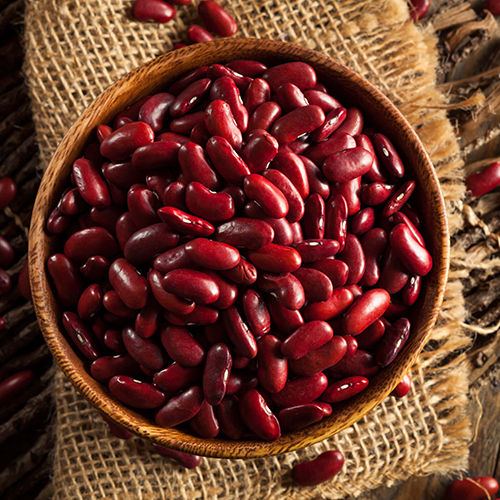
Tell us about your requirement

Price:
Quantity
Select Unit
- 50
- 100
- 200
- 250
- 500
- 1000+
Additional detail
Mobile number
Email

More Products in Indian Pulses Category
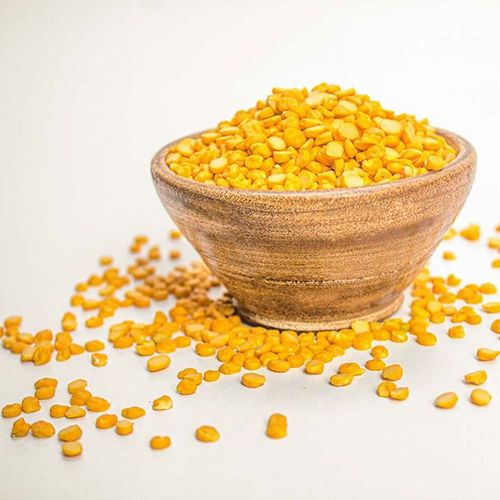
Chana Dal
Price 110 INR / Kilograms
Minimum Order Quantity : 50 Kilograms
Pulse Style : Dried
Variety : Common Beans
Type : Common Beans
Cultivation Type : Organic
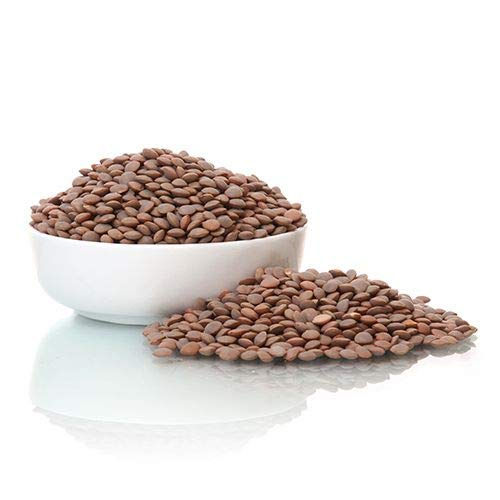
Whole Masoor
Minimum Order Quantity : 50 Kilograms
Pulse Style : Dried
Variety : Common Beans
Type : Common Beans
Cultivation Type : Common
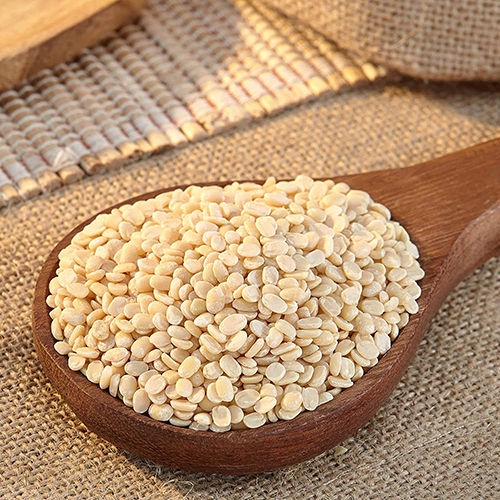
Split Urad Dal
Price 110 INR / Kilograms
Minimum Order Quantity : 50 Kilograms
Pulse Style : Dried
Variety : Common Beans
Type : Common Beans
Cultivation Type : Common
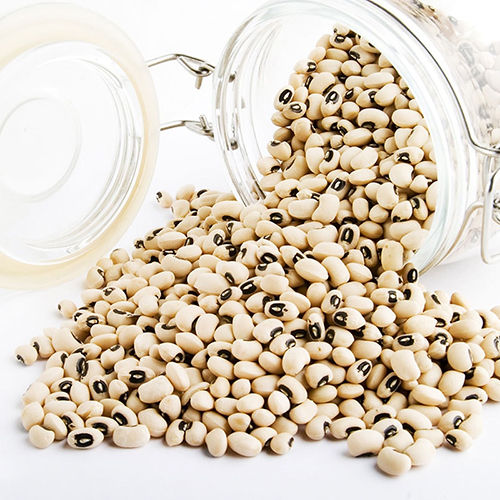
Black Eyed Beans
Minimum Order Quantity : 50 Kilograms
Pulse Style : Dried
Variety : Common Beans
Type : Common Beans
Cultivation Type : Common

Contact Details
- 13/118, Nawal Kishore Road, Hazratganj,Lucknow - 226001, Uttar Pradesh, India
- Phone : 07313725991
- Mr Chetan Sharma (Director)
- Mobile : 07313725991
-
 Send Inquiry
HUMANBIOLOGICS PRODUCTS AND SERVICES (OPC) PRIVATE LIMITED
GST : 09AAECH2635M1ZB
 Send Inquiry
 Send Inquiry
 Send SMS
HUMANBIOLOGICS PRODUCTS AND SERVICES (OPC) PRIVATE LIMITED
All Rights Reserved.(Terms of Use)
Developed and Managed by Infocom Network Private Limited.
Developed and Managed by Infocom Network Private Limited.
