

 Send Inquiry
Safflower Oil Seeds
MOQ : 50 Kilograms
Safflower Oil Seeds Specification
- Product Type
- Safflower Oil Seeds
- Type
- Oil Seeds
- Cultivation Type
- Common
- Grade
- Oil seed
- Weight
- 50 Kg (Bag)
- Variety
- Bold Safflower
- Color
- White
- Edible
- Yes
- Hybrid
- No
- Drying Process
- Sun Dried
- Moisture (%)
- 6%
- Admixture (%)
- 0.5%
- Ash %
- 2%
- Imperfect Ratio (%)
- 0.2%
- Purity
- 99.9%
- Shelf Life
- 1 Year
- Foreign Matter (%)
- Max 0.1%
- Uses
- Extraction of Edible Oil, Animal Feed, Birdseed
- Broken Seeds (%)
- Max 0.5%
- Oil Content
- 38-41%
- Packaging Type
- PP Bag / Jute Bag
- Free Fatty Acid
- Max 1.5%
- Storage Condition
- Cool and Dry Place
Safflower Oil Seeds Trade Information
- Minimum Order Quantity
- 50 Kilograms
- Payment Terms
- Cash Advance (CA)
- Supply Ability
- 1000 Kilograms Per Week
- Delivery Time
- 7 Days
- Main Export Market(s)
- Asia, Australia, Central America, North America, South America, Eastern Europe, Western Europe, Middle East, Africa
- Main Domestic Market
- All India
Safflower Oil Seeds About
SPECIFICATION
| Nutrients | Protein | Vitamins | Minerals | Fat |
|---|---|---|---|---|
| Calories - 884 calories Total Carbohydrate 0 g Dietary fiber 0 g | 0g | Vitamin A Vitamin C Vitamin D Vitamin B6 | Calcium Magnesium Iron | - |
Superior Oil Yield and Purity
These safflower seeds offer a high oil yield, with 38-41% oil content. The seeds undergo meticulous sun drying, resulting in a low moisture content (6%) and minimal admixtures. Their exceptional purity and low foreign matter content ensure a cleaner extraction process and quality output for edible oil production.
Multi-Purpose Usability
Safflower oil seeds are valued not just for oil extraction but also as nutritious animal feed and premium birdseed. Their bold size and high-grade selection guarantee reliable results, whether you are targeting a culinary or agricultural market. The seeds' consistent quality makes them a popular choice across industry segments.
Reliable Packaging & Storability
Packed in robust 50 kg PP or jute bags, these safflower seeds are easy to transport and store. With a shelf life of up to a year when kept in cool, dry conditions, they are ideal for traders and exporters looking for longevity and reliability. Proper packaging helps maintain their natural quality and prevents spoilage.
FAQ's of Safflower Oil Seeds:
Q: How are safflower oil seeds processed to ensure high oil content and purity?
A: The safflower oil seeds are sun-dried and carefully sorted to minimize moisture and unwanted admixtures. Stringent quality checks ensure a purity level of 99.9%, with oil content between 38-41%. The seeds are cleaned to remove foreign matter (max 0.1%) and broken seeds (max 0.5%), ensuring optimal results during oil extraction.Q: What are the primary uses of safflower oil seeds?
A: Safflower oil seeds are primarily used for the extraction of edible oil. Additionally, they serve as nutritious feed for animals and high-quality birdseed. Due to their bold variety and consistent quality, they are favored in food processing, livestock nutrition, and ornamental bird feeding.Q: When is the optimal time to plant and harvest safflower seeds for best quality?
A: Safflower seeds are typically sown in the cooler months, with harvest occurring once the plants fully mature and the seeds are dry, ensuring high oil content and reduced moisture. Optimal timing varies by region in India but generally coincides with the post-monsoon season for best yield.Q: Where should safflower seeds be stored to maintain their shelf life and quality?
A: To maximize shelf life (up to one year) and retain quality, safflower seeds should be stored in a cool and dry place. Proper storage conditions prevent moisture absorption, spoilage, and pest infestation. It is advisable to keep the seeds in their original PP or jute bags until use.Q: What is the process for extracting edible oil from safflower seeds?
A: Oil extraction involves cleaning the seeds, removing impurities, and then pressing or solvent-extracting the oil. The low free fatty acid (max 1.5%) and ash content (2%) of these seeds facilitate efficient processing, resulting in a high-quality, edible oil suitable for cooking and food applications.Q: What benefits do safflower seeds offer as animal feed and birdseed?
A: As animal feed and birdseed, safflower seeds provide a nutritious source of protein and fats. Their high purity, low foreign matter, and natural sun-drying ensure a safer, more palatable feed, supporting animal health and vibrant bird plumage.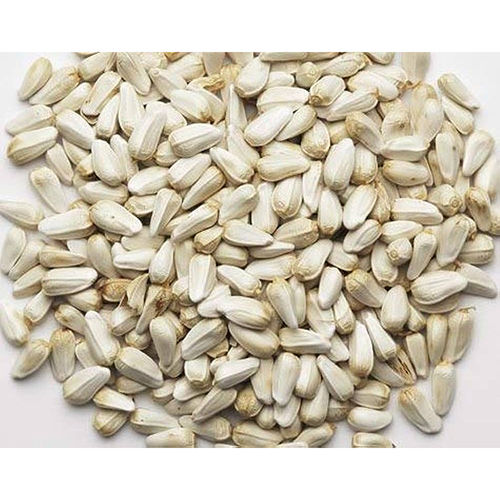
Tell us about your requirement

Price:
Quantity
Select Unit
- 50
- 100
- 200
- 250
- 500
- 1000+
Additional detail
Mobile number
Email

More Products in Oil Seeds Category
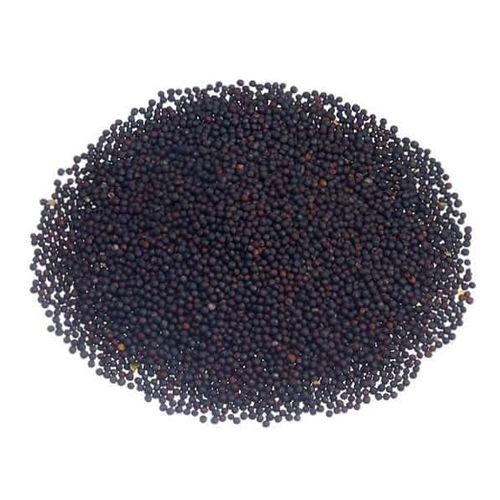
Spring Canola Seeds
Minimum Order Quantity : 50 Kilograms
Seed Type : Whole
Product Type : Spring Canola Seeds
Moisture (%) : 7%
Edible : Yes
Admixture (%) : 1.0%

Contact Details
- 13/118, Nawal Kishore Road, Hazratganj,Lucknow - 226001, Uttar Pradesh, India
- Phone : 07313725991
- Mr Chetan Sharma (Director)
- Mobile : 07313725991
-
 Send Inquiry
HUMANBIOLOGICS PRODUCTS AND SERVICES (OPC) PRIVATE LIMITED
GST : 09AAECH2635M1ZB
 Send Inquiry
 Send Inquiry
 Send SMS
HUMANBIOLOGICS PRODUCTS AND SERVICES (OPC) PRIVATE LIMITED
All Rights Reserved.(Terms of Use)
Developed and Managed by Infocom Network Private Limited.
Developed and Managed by Infocom Network Private Limited.
